
Best Practice in Corporate Internal Auditing and Fraud Control Course – Location: Abuja
Tax Identification Number (TIN) : 18841631
Venue: Lap New World Hotel JABI ABUJA & Online ZOOM
Date: Feb 16-19; May 18-21; Sept 14-17;
& Nov 16-19
Fee: ₦425,500 Bank Details: Fontini Consulting Limited (ZENITH BANK PLC) Account Number 1013360718 ;Fund Transfer Sort Code 057151083 Discount Policy 3-5 Delegates 5% 6-10 Delegates 10% Above 10 Delegates 20%
This post Best Practice in Corporate Internal Auditing and Fraud Control Course – Location: Abuja first appeared on Fontini Consulting Ltd and is written by
]]>Best Practice in Corporate Internal Auditing and Fraud Control Course – Location: Abuja
Best Practices in Corporate Internal Auditing and Fraud Control
Course Overview
This course provides a comprehensive framework for corporate internal auditing and fraud control, equipping professionals with the knowledge and techniques to enhance audit effectiveness and prevent financial fraud. Participants will explore best practices in risk-based internal auditing, fraud detection methodologies, and corporate governance compliance. The course also focuses on strengthening internal controls, improving audit reporting, and aligning audit functions with organizational objectives to drive transparency and accountability.
Through real-world case studies and interactive exercises, participants will develop the skills needed to identify vulnerabilities, assess risks, and implement fraud prevention strategies that align with industry standards and regulatory requirements. Whether working in private corporations, public institutions, or nonprofit organizations, professionals will gain actionable insights to enhance internal audit functions and protect their organizations from fraud-related risks.
Who Should Attend?
This course is ideal for:
- Internal and external auditors
- Risk management and compliance professionals
- Fraud examiners and investigators
- Corporate governance officers
- Finance, accounting, and audit committee members
- Business leaders responsible for internal controls
Key Learning Outcomes
By the end of this course, participants will be able to:
- Understand the role of internal auditing in corporate governance and fraud prevention
- Apply best practices in risk-based internal auditing to improve efficiency
- Identify fraud risks and implement proactive fraud detection measures
- Strengthen internal controls to minimize financial and operational risks
- Conduct fraud investigations and prepare structured audit reports
- Align corporate audit functions with regulatory and compliance frameworks
Course Modules
-
Introduction to Corporate Internal Auditing
- The role and objectives of internal auditing
- Internal auditing vs. external auditing
- Key industry standards and frameworks
-
Risk-Based Internal Auditing Approaches
- Identifying and assessing corporate risks
- Audit planning based on risk priorities
- Implementing an effective internal audit cycle
-
Fraud Control and Prevention Strategies
- Understanding common fraud schemes and risk areas
- Developing a fraud risk management program
- Fraud prevention through internal controls
-
Internal Controls and Corporate Governance
- Strengthening financial reporting controls
- Evaluating internal control systems for fraud vulnerabilities
- Regulatory requirements and compliance measures
-
Fraud Investigation and Audit Reporting
- Fraud detection techniques and forensic auditing
- Gathering and analyzing audit evidence
- Writing comprehensive fraud reports
-
Case Studies and Practical Applications
- Lessons learned from major corporate fraud cases
- Hands-on exercises in fraud risk assessment
- Interactive fraud detection simulations
Delivery Mode
- Instructor-led sessions (virtual or in-person)
- Case studies and real-world scenarios
- Practical exercises and group discussions
Certification
Upon successful completion of the course, participants will receive a Certificate in Corporate Internal Auditing and Fraud Control, demonstrating their expertise in best practices for fraud prevention and audit effectiveness.
This post Best Practice in Corporate Internal Auditing and Fraud Control Course – Location: Abuja first appeared on Fontini Consulting Ltd and is written by
]]>
Asset and Liability Management for Banks Course – Location: Abuja
Tax Identification Number (TIN) : 18841631
Venue: Lap New World Hotel JABI ABUJA & Online-ZOOM
Date: Feb 9-12; April 13-16; Aug 10-13 & Nov 16-19 Fee: 425,000
Bank Details: Fontini Consulting Limited (ZENITH BANK PLC) Account Number 1013360718 ;Fund Transfer Sort Code 057151083 Discount Policy 3-5 Delegates 5% 6-10 Delegates 10% Above 10 Delegates 20%
Asset and Liability Management
This post Asset and Liability Management for Banks Course – Location: Abuja first appeared on Fontini Consulting Ltd and is written by
]]>Asset and Liability Management for Banks Course – Location: Abuja
Asset and Liability Management for Banks Course – Location: Abuja
Why Attend
This 3-day financial management course designed by experts at the International Faculty of Finance helps you get the right balance when confronting asset and liability management processes with banks and financial institutions.
This interactive training course rapidly builds the knowledge and skills in the ALM arena. By the end of the course, you will enhance your practical understanding of strategic balance sheet management issues, such as the impact of Basel II and IAS requirements on ALM decision-making.
You will be more prepared to appreciate the conflicts that can arise at the ALCO level in the application of both earnings and valuation methodologies. Overall, you will have a comprehensive understanding of symmetric and asymmetric hedging techniques and develop effective balance sheet hedging strategies banking and credit management
Who should attend?
This course is suitable for professionals looking to explore the major approaches to the measurement and management of structural risk and hedging techniques.
Training Course Content
Successfully Implementing ALM
- Objectives of the modern ALCO
- Key success factors
- What targets to set?
- What risks to measure?
- Current trends in A/L management
Sample Banks Static Risk Assessment
- Overview
- Bank balance sheet review
- Financial reports
- Which bank do you want to be?
Strategic Liquidity Management
- Liquidity overview
- Cost of liquidity
- Liquidity and ALCO
Strategic Capital Management
- The role of capital
- Bank regulatory capital requirements
- Focus on economic capital
- The role of ALCO in capital planning
Funds Transfer Pricing
- Role of FTP
- Transfer pricing as a management tool
- FTP and ALCO
Understanding Structural Risk
- Managing disparate operational structures
- Identifying natural hedges
Quantifying Banking Book Risk
GAP Analysis
- Benefits and drawbacks
- Basic calculations
- Symmetry versus asymmetry
Valuation and Price Risk
- Valuing a bond
- Macaulay / modified / effective duration
- Duration and banking book risk
Static Risk Evaluation
- Comparisons so far incorporating GAP and duration risk elements
- Which Bank do you want to be?
- Applying a balanced risk/reward approach
Day 2
- Managing Banking Book Risk
- Hedging in ALM
- Interest rate swaps
- -Structure
- Presenting in GAP and valuation reports
- Uses at ALCO
- Hedging concepts and objectives
- Symmetric Hedging Decisions
- Dynamic Simulation Analysis
- Basic approach
- Benefits and drawbacks
- Deterministic simulation approach
- Rate shock analysis
- Interpreting ALCO Reports (Introduction)
- Assessing Hedge Effectiveness
- GAP
- Valuation and price sensitivity
- Rate shocks
- Hedge Effectiveness Round Table
- Symmetric Hedge Simulation Results
- Final Symmetric Hedging Decisions
- Day 3
- Asymmetric Risk Analysis
- Asymmetric Risk
- Evaluating embedded options
- Hedging with caps and floors
- Sample Bank Simulation Results
- Review of rate shock profiles
- Asymmetric risk assessments
- Static vs dynamic risk comparisons
- Asymmetric Hedge Decisions
- Assessing simulated risk profiles
- Asymmetric hedging strategies
- Asymmetric Hedge Simulation Results
- Risk assessments and scores
- Value at Risk vs. Earnings at Risk
- Methodologies compared
- –VaR
- –EaR
- Valuing the balance sheet
- Implications for ALM
- Advanced Analysis – Monte Carlo Overview
- Monte Carlo process explained
- Methodologies compared
- Benefits and drawbacks
- Applying Monte Carlo Analysis
- Assessing path risk
- Implications for A/LM
- Final Sample Bank Reviews
- Round Table and Course Closure
This post Asset and Liability Management for Banks Course – Location: Abuja first appeared on Fontini Consulting Ltd and is written by
]]>
Foreign Exchange, Money Markets and Derivatives Course – Location: Abuja
Tax Identification Number (TIN) : 18841631
Venue: Lap New World Hotel JABI ABUJA & ONLINE-ZOOM
Date: Feb 2-5 ; July 7-10 & Nov 9-12 Fee: 525,000 Naira Bank Details: Fontini Consulting Limited (ZENITH BANK PLC) Account Number 1013360718 ;Fund Transfer Sort Code 057151083
Discount Policy 3-5 Delegates 5% 6-10 Delegates 10% Above 10 Delegates 20%
This post Foreign Exchange, Money Markets and Derivatives Course – Location: Abuja first appeared on Fontini Consulting Ltd and is written by
]]>Foreign Exchange, Money Markets and Derivatives Course – Location: Abuja
Foreign Exchange, Money Markets and Derivatives Course
Why Attend
The global foreign exchange (FX) and money markets are the world’s largest markets and pivotal parts of the financial system. In foreign exchange alone, more than $5 trillion of transactions occur daily. These markets provide funding, trading and investment opportunities and are the conduit between all other components of the world’s capital markets. In recent years, the importance of the money markets has become even greater as financial institutions focus more closely on the management and diversification of their sources of liquidity, apply greater discipline to their funding and examine the attractions of short term investment and trading strategies.
This course provides a strong foundation on the instruments and activities of the international money and FX markets; and it focuses on the current profile of the markets and offers insights based on the lessons learned from the 2007-09 financial crisis as well as the latest market developments.
Moreover, the course emphasizes the integrated nature of FX, money markets and derivatives. Mastering the mechanics and usages of such instruments provides excellent opportunities for arbitrage, hedging and risk management for those engaged in corporate treasury functions, commercial banks and asset management companies. The course also analyses the liquidity characteristics and risks of different instruments and funding strategies.
Course Methodology
This course uses a wide range of learning methods, including explanatory slides, case studies, detailed examination of Excel models in an interactive workshop style environment and others.
Course Objectives
By the end of the course, participants will be able to:
- Develop a deep understanding of the FX market, its mechanics and major participants
- Analyze the role and impact of central banks on FX and money markets
- Examine the nature of money supply, open market operations and quantitative easing
- Demonstrate a thorough understanding of liquidity, capital adequacy and solvency
- Apply analytical skills to key financial products within global money markets
- Explain the logic and uses of financial derivatives – forwards, swaps and options
- Develop an understanding of key strands of financial risk management
Target Audience
This course is suitable for all those working within the banking industry, including wealth managers, auditors, accountants, finance specialists, risk managers, and treasury and product control professionals. It is also suitable for those working with financial services and in corporate finance positions.
Target Competencies
- Exchange rate and interest rate risk best practices
- Analyzing unorthodox policies
- Global money, FX markets, and capital flows
- Thought leadership
Course Outline
Interface of money markets and foreign exchange (FX)
- Size of the markets
- Issuance of Treasury instruments, repos, bankers’ acceptances, commercial paper
- Overview of the Euromarkets
- London Interbank Offered Rate (LIBOR)
- Treasury bill issuance in different jurisdictions
- The mechanics of the Repo market
- Forward rates for interest rate and FX
- Effective yields when risk adjusted for FX exposures
- Arbitrage and interest rate parity
- Current market conditions
- Risk premia, key money markets spread and currency outlook
Role of central banks in the financial system
- Overview of central banks
- Federal Reserve
- European Central Bank
- People’s Bank of China
- Bank of Japan
- Bank of England
- Structure of a central bank balance sheet
- Characteristics of central bank’s assets and liabilities
- Lender of last resort
- Summary of Open Market Operations
- Unorthodox monetary policy including quantitative easing (QE)
- Independence of central banks
- Financial stability and macro-prudential policy
- Forward guidance and transparency of decision making
- Management of FX reserves and exchange rate policy
- Nature of payments systems – real-time gross settlement systems (RTGS), net settlement, Fedwire, Target2
Monetary policy and money supply
- Overview of the policy committees
- Monetary Policy Committee of the Bank of England (MPC of BOE)
- Federal Open Market Committee (FOMC)
- European Central Bank (ECB Governing Council)
- The People’s Bank of China (PBOC) governance
- Overview of money supply
- Monetary tools and how they impact money supply
- How is money created in a modern economy?
- Inflation targeting
- Central bank reserves
- Explanation of the Taylor rule
- Term structure of interest rates
Foreign exchange market characteristics
- Size of market, volumes, participants, major currency pairs
- Regional breakdown of where and when most FX trading takes place
- Key role of London market in FX trading
- Historical background to today’s FX market
- Role of the International Monetary Fund (IMF) and Special Drawing Rights (SDR’s)
- Global FX reserves
- Review of several key historical FX rates
- Price of gold and relationship to the US Dollar index
Interest rate (IR) swaps
- Basic structures and terminology of swaps
- Business case for using IR swaps
- Contrast money market rates and IR swap rates
- Notion of swap as an aggregation of forward rate agreements
- Pricing the fixed leg and interpreting the swap markets
- Counter party risk
- Recognition that credit valuation adjustment (CVA) is integral part of trading practices and pricing of derivatives and not just a regulatory (Basel) issue
- Over The Counter (OTC) market versus Swap Execution Facilities (SEF’s)
- Collateralized OTC trades versus margin based Central Clearing Party (CCP) platforms
- Netting arrangements
Credit default swaps (CDS)
- Terminology – protection buyer/seller, reference entity,
- Naked CDS positions
- Contrast between a CDS and a financial insurance contract
- Equating actual and contingent payments
- Inputs to model – default probabilities, loss given default (LGD), forward curve
- Sovereign and corporate markets
- Single name CDS versus basket products, nth to default structures
- Determination of a credit event
- Recent amendments to the International Swaps and Derivatives Association (ISDA) protocols on determination of credit events
- ISDA protocols
Using derivatives for general hedging purposes
- Key concepts of hedging equity and fixed income risk with derivatives
- Using index futures and options to hedge equity portfolio
- Hedge ratio calculation for equity futures
- Calculating portfolio beta
- Options strategies
- Using forwards to hedge forex risk
- Using swaps to hedge credit risk
- Using variance swaps to hedge volatility risk
Asset/liability management and the treasury function
- Interest rate risks
- Market risk i.e. re-valuation of bank holdings from changes in interest rates
- Accounting issues related to fair value accounting
- Duration gap analysis
- Interest rate forecasting
- Review of inflation protected securities
- Estimating the Term Liquidity Premium in money markets
- Funds Transfer Pricing (FTP) mechanics
- Contingency buffers for liquidity risk management
- Funding Value Adjustment (FVA)
- Bank funding curves
- Applying the correct FTP charges for strategic balance sheet management
The global regulatory framework
- Overview of the Basel III framework
- Key provisions of Basel III related to market risk, credit risk, liquidity risk and operational risk
- Pillars 2 and 3 of Basel accords and role of central banks as supervisors
- Contrast macro-prudential policy initiatives with traditional micro-prudential
- Pro-cyclical and counter-cyclical risk management
- Dodd Frank Act and Financial Stability Oversight Council (FSOC), Volcker rule
- Regulatory investigations into market abuse
- USA – the Federal Reserve, Treasury, Securities and Exchange Commission (SEC), Commodity Futures Trading Commission (CFTC), Federal Deposit Insurance Corporation (FDIC)
- UK – Bank of England, Prudential Regulation Authority (PRA), Financial Conduct Authority
- European Union – ECB, the European Stability Mechanism (ESM), the European Securities and Markets Authority (ESMA)
- Transnational – Bank for International Settlements (BIS), Global Financial Stability Board etc.
- Sarbanes-Oxley – risk disclosure, stringent accounting requirements, impact on IT policies
- Volcker Rule – restrictions on activities/structure of banks
This post Foreign Exchange, Money Markets and Derivatives Course – Location: Abuja first appeared on Fontini Consulting Ltd and is written by
]]>
Certificate in Investment and Portfolio Management Course
Tax Identification Number (TIN) : 18841631
Venue: Lap New World Hotel & Online-Zoom
Date: Mar 6-16 ; June 12-22 & Nov 13-23 Fee: 700,000 Naira Bank Details: Fontini Consulting Limited (ZENITH BANK PLC) Account Number 1013360718 ;Fund Transfer Sort Code 057151083
Discount Policy 3-5 Delegates 5% 6-10 Delegates 10% Above 10 Delegates 20%
This post Certificate in Investment and Portfolio Management Course first appeared on Fontini Consulting Ltd and is written by
]]>Certificate in Investment and Portfolio Management Course
Why Attend
The last few years have witnessed unprecedented volatility in the capital markets. Active managers have switched between risk on and risk off trades. As the markets continue to evolve, a thorough understanding of the basics is essential. This hands-on course examines the investment process, risk and return and strategies to increase return. Differences between asset managers and institutional fund managers are explored. The course wraps up by analysing attribution metrics on the portfolio’s performance.
This course will provide participants with techniques for evaluating investments on an individual basis and in the context of the portfolio. Techniques for analysing investments focus on maximizing expected returns while minimizing risk. The most powerful way to achieve this objective is by creating a portfolio of investments. Topics covered are Financial Statement Analysis, Markets and Instruments, Equity Investments, Debt Investments and Portfolio Management.
Learning Objectives
By the end of the course, participants will be able to:
- Distinguish portfolio management from other management types
- Connect projects to corporate strategic goals
- Describe what is included in project prioritization in big, complex corporations
- Give priority to various projects based on their strategic value
- List projects based on the strategic priorities to optimize the advantages stemmed from a corporation capability to finish projects
- Increase the volume of projects as much as possible to be accomplished by creating defensive ability of non-limiting resources
- Optimize the value of projects that are over by making sure that the proper projects are being accomplished in the right order
- Facilitate the portfolio management procedure by concentrating the management attention on the bottlenecks to project accomplishment
- Consider portfolio management effectiveness as a factor to the participation of the Project Management Office
- Evaluate the advantages of portfolio management
- Analyse the role of project portfolio management in the organizational achievements
- Express efficient project portfolio documents
- Choose the tools and approaches to equalize a project portfolio
Target Audience
Investment and Portfolio Management Fundamentals training is designed for:
- Program managers
- Product managers
- Portfolio managers
- Senior executives accountable for corporation policies
- Managers accountable for generating organizational policies or for offering strategic recommendations
- Members of portfolio, program, or project offices
- Operational managers
- Project team personnel, clients, and other stakeholders of the portfolio management process
Training Methodology
- Investment and Portfolio Management is combined of theory and hands-on modules.
- Theory and concepts are delivered through interactive lectures and presentations
- Practical activities are provided through hands-on workshops, seminars, and group activities
Course Contents
Day 1-Module 1 – Overview of Stock Market Analysis
- Definitions of Stock
- Types of Stocks
- The risk-free rate of return
- Yield curve
- Why do Stock Prices Move?
- Understanding business cycles
- Bull and Bear Markets
- Warren Buffett: Value Investing
Day 2-Module 2 – Overview of Portfolio Management
- Project portfolio definition
- Project portfolio management definition
- What is governance
- Why do we need a project portfolio?
- Managing the resources
Day 3-Module 3 – Elements of Portfolio Management
- Resources accessibility
- How to prioritize elements of portfolio?
- How to balance out the project portfolio?
- How to deliver investment oversight?
- DAY 4-MODULE 4 – Getting Started on the Project Portfolio Management
- The goal of portfolio documentation
- Quantity metrics
- Project portfolio reports
- Portfolio risk analysis
- Portfolio risk management effective policies
- Seizing investment data
Day 5-Module 5 – Managing the Project Portfolio
- Review the performance of portfolio
- Yearly portfolio review
- Factors of success in portfolio management
- Project portfolio management drawbacks
- Portfolio requirements
Day 6-Module 6 – Active Portfolio Management Performance
- Risk
- Effective predictions
- Information assessment
- Portfolio structure
- Transactions expenses, revenue, and trade-off
- Implementation Evaluation
Day 7-Module 7 – Investment Management Process
- Difference between investing and financing
- Difference between direct and indirect investment
- Investment environment
- Financial markets
- Investment management procedure
Day 8-Module 8 – Computable Methodologies of Investment Assessment
- Return on investment and expected rate of return
- Investment risk. Variance and standard deviation
- Relationship between risk and return
- Covariance
- Relationship and coefficient of determination
- The revenues on stock vs market portfolio
Day 9-Module 9 – Portfolio Management and Evaluation
- Difference between active and passive portfolio management
- Difference between strategic and tactical asset distribution
- Managing and modification of the portfolio
- Portfolio performance matrices
This post Certificate in Investment and Portfolio Management Course first appeared on Fontini Consulting Ltd and is written by
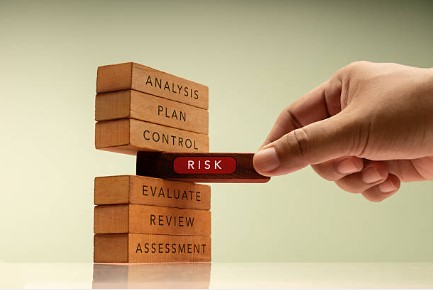
]]>
Operational Risk Management In Financial Institutions Course
Operational Risk Management
COURSE DETAILS & QUICK INFORMATION
Venue: Lap New World Hotel JABI ABUJA & Online ZOOM
Training Dates:
• April 27-30
• June 9-12
• August 17-20
Course Fee: ₦425,000
Group Discounts: 3-5 people (5%) | 6-10 people (10%) | 10+ people (20%)
Payment Information:
Beneficiary: Fontini Consulting Limited
Bank: ZENITH BANK
Account Number: 1013360718
Sort Code: 057151083
Tax ID (TIN): 18841631
This post Operational Risk Management In Financial Institutions Course first appeared on Fontini Consulting Ltd and is written by
]]>Operational Risk Management In Financial Institutions Course
Operational Risk Management In Financial Institutions Course
Why Attend
The course will develop an understanding of the importance of operational risk management within the Banking and Finance industry and build an appreciation for the impact operational risk can have. The focus is on the practical implication of operational risk, rather than just the theory. To this end real-world examples and case studies are used throughout. The aim is that participants not only leave with a better understanding of operational risk, but also how better to manage it.
Key Learning Outcomes:
- Identify the sources of operational risk and how these arise within the context of financial institutions’ main business activities
- Understand the governance structures, systems, procedures, and cultural aspects necessary for an organization to successfully manage operational risk
- Build a knowledge of the main techniques for the measurement and quantification of operational risk and their relative merits and drawbacks, including the importance of strong controls and Key Risk Indicators
- Appreciate the likely impact on the operational risk environment that Basel IV may have.
Who Should Attend?
This course is aimed at individuals whose roles involve operational risk management, or anyone with an interest in operational risk and would like to gain a better understanding of the real-world implications and how to better deal with them.
Course Contents:
Day One and Two
- Analytic Overview
- The aim of this section is to understand the nature of operational risk, identify typical occurrences of operational risk within a bank’s business model, and to consider external perspectives on the importance of operational risk management in rating and banking supervision.
- Importance of operational risk as part of the firm’s risk inventory
- Current industry drivers of increasing operational risk in financial institutions; complexity, innovation, technology, transaction velocity and litigation
- Motivations to manage operational risk: Financial loss, legal and regulatory requirements, reputational risks, capital management and planning
- Management perspectives/requirements; understanding the risk, information systems, quantification, mitigation and hedging decisions, cultural and behavioural aspects
- Identifying categories of operational risk in financial institutions
- External perspectives on operational risks:
- Incorporation of operational risk criteria in rating agency methodologies
- Regulatory and industry perspectives on the importance of operational risk control
- Operational Risk: Dimes and Disasters!
- The big operational risk loses are the ones that make the news, but is that the whole picture? This section explores the wider impact of operational risk within financial institutions:
- High Frequency – Low Impact
- Low Frequency – High Impact
- Who is at risk and at risk of what?
- Operational risk by institutional type
- Operational Risk Governance
- The objective of risk management is to add maximum sustainable value to the activities of an organization. Therefore, it needs to be a continuous and developing process that operates in conjunction with the development and implementation of the organization’s strategy, and whose aim is to increase the probability of achieving the overall objectives of the organization and reduce the probability of failure.
- To achieve this, operational risk management must be integrated into the organization and led by the most senior management. This section of the course will therefore look at the key role of the board in setting an organization’s operational risk policy and the key characteristics of how it is implemented.
- Risk management process – operational risk as an integral part of the enterprise risk management framework
- Roles and responsibilities of the board, senior management, and support functions
- Defining risk appetite for operational risk. What is it and how can it be expressed?
- Evaluating corporate governance standards
- Three lines of defence – an explanation of the traditional three lines of defence and the allocation of risk responsibilities
- Operational risk framework – how the components of operational risk management fit within strategy and risk policy
- Operational risk cycle – the components of the risk cycle: Identification; assessment and measurement; mitigation and management; monitoring and reporting
- The role of culture in the organization-wide management of operational risk:
- Why culture forms such an important aspect of operational risk management
- Characteristics of poor vs. effective operational risk cultures
- Fostering an effective risk management culture
- Day Three and Four
- Management of Operational Risk
- The objective of this section is to consider the Operational Risk Management framework. The core elements of the framework are covered as well as who is responsible for what within the framework.
- Operational risk policy – the key components of an organization’s operational risk policy
- Identification: The methods and problems of identifying operational risks
- Risk Control and Self-Assessment (RCSA) techniques – advantages and disadvantages
- Cultural aspects to the RCSA
- Defining frequency and impact scales
- Assessment: The methods and problems of assessing operational risks
- Mitigation of risk impact and likelihood of occurrence: The methods of mitigating operational risks
- Understanding controls and how risk is modified
- Preventive
- Internal Detective
- External Detective
- Monitoring
- The methods of monitoring operational risks.
- Operational risk incident recording:
- Objectives of risk incident recording
- Internal data collection, parsing and emerging risks identification
- The importance of ‘Lessons Learned’ processes
- Impact of new products, processes, business lines and locations
- Improving the organization’s operational risk process:
- Strategies to align operational risk to risk appetite: The classic risk matrix
- Measuring progress and improvement
- Key Risk Indicator (KRI)
- Key Risk Indicators are a key tool of Operational Risk management. This section aims to identify what makes a good KRI and how they can be used more effectively.
- Types of KRI and relationship to risk levels
- Characteristics of and identifying useful KRI’s
- The Cause, Consequence and Impact of Operational Risk
- In this section using a simply Root-Cause-Analysis the causes of operational risk are investigated to identify:
- The cause (Event)
- Physical / Human / Organisation Causes
- The consequence (Cause)
- The impact (Effect).
- The brain mechanisms that can hold us back!
- Talab: Causes of Black Swans
- Basel IV Operational Risk
- With the soon to be introduction of the new Basel IV Capital Requirements financial institutions globally are going to be impacted. This impact extends to how institutions will need to view, record, and apply operational risk metrics. This section provides a high-level overview of the changes and why they will impact everyone.
- Fundamental nature of bank regulatory capital requirements
- The historic challenges of calculating unexpected versus expected loss for operational risk
- Basel IV proposed changes
- The standardised Measure Approach
This post Operational Risk Management In Financial Institutions Course first appeared on Fontini Consulting Ltd and is written by
]]>
Certificate In Information And Communication Technology (ICT) For Agriculture And Rural Development Course – Location: Abuja
Tax Identification Number (TIN) : 18841631
Venue: Lap New World Hotel Jabi Abuja & Online-Zoom
Date: Mar 23-26; June 2-5 ; Sept 1-4 & Nov 2-5
Fee: N425,000 Bank Details: Fontini Consulting Limited (ZENITH BANK PLC) Account Number 1013360718; Fund Transfer Sort Code 057151083 Discount Policy 3-5 Delegates 5% 6-10 Delegates 10% Above 10 Delegates 20%
Information and Communication Technology
This post Certificate In Information And Communication Technology (ICT) For Agriculture And Rural Development Course – Location: Abuja first appeared on Fontini Consulting Ltd and is written by
]]>Certificate In Information And Communication Technology (ICT) For Agriculture And Rural Development Course – Location: Abuja
Certificate In Information And Communication Technology (ICT) For Agriculture And Rural Development Course
Why Attend
Information and Communication Technology (ICT) involves the use of computers and communication facilities which enable the processing and storage of vast amount of information, along with rapid distribution. However, most agricultural, and rural development managers have inadequate knowledge and skills required for making effective use of the modern ICT.
Objectives
This course therefore is designed to enhance the knowledge and skills of senior/middle managers to effectively apply ICT tools for managing information. At the end of the course, participants should be able to:
- Discuss the role of modern ICT in agricultural and rural development
- EXPLAIN fundamental principles in ICT.
- Use of modern ICT facilities; and
- USE of Multi-Media data operating equipment.
Content:
- Elements of Information and Communication Technology (ICT).
- Role of modern ICT in agricultural and rural development.
- Use of Personal computer software applications:
- Use of ICT facilities: Internet, World Wide Web, E-mail and Webpage development tools.
- Use of Multi-Media data projector.
Training Methodology
Lectures, demonstrations and practical exercise.
Who Should Attend?
Senior/Middle Managers from the public and private organizations including Research Scientists, Extension Officers, Officers of PRSD (from both the Federal and State Ministries of Agriculture and Rural Development), LG, NGOs, CBOs, Librarians, Technical Editors and other Information professionals. Basic knowledge of computer is essential.
This post Certificate In Information And Communication Technology (ICT) For Agriculture And Rural Development Course – Location: Abuja first appeared on Fontini Consulting Ltd and is written by
]]>
Agricultural Credit Management and Risk Analysis Course
Agricultural Credit Management & Risk Analysis – 5-Day Course
Build strong skills to assess agricultural loans, manage lending risks, and support sustainable agribusiness growth. This course teaches practical credit appraisal methods, agric risk analysis, and smart loan structuring techniques that help reduce defaults and improve portfolio performance.
Designed for credit officers, lenders, risk managers, and development finance professionals, this training gives you real tools to evaluate farm operations, analyze cash flows, identify red flags, and make safer credit decisions.
Join this course to strengthen your agric credit management skills and support more productive, low-risk agricultural financing.
Tax Identification Number (TIN) : 18841631
This post Agricultural Credit Management and Risk Analysis Course first appeared on Fontini Consulting Ltd and is written by
]]>Agricultural Credit Management and Risk Analysis Course
Agricultural Credit Management and Risk Analysis Course
Why Attend Our Training?
Our Agricultural Credit Management and Risk Analysis Training gives you practical skills to assess agricultural loans, manage lending risks, and support farmers and agribusinesses with smarter credit decisions. You will learn how to evaluate farm operations, understand sector risks, and design credit processes that reduce loan defaults and improve portfolio quality.
This training focuses on real challenges lenders face and provides clear tools to strengthen agricultural financing and boost sector productivity.
Key Highlights of Our Agric Credit & Risk Training
Credit Assessment Methods: Learn how to evaluate farm businesses, cash flows, and borrower capacity.
Agric Risk Identification: Understand weather risks, production risks, market risks, and operational risks.
Loan Structuring: Build safe and flexible credit plans suited for different agricultural activities.
Practical Agric Case Studies: Work with real scenarios in crop farming, livestock, aquaculture, and agro-processing.
What You Will Learn in This Agric Credit Management Course
-
Understand the nature of agricultural credit and sector-specific challenges.
-
Conduct proper borrower assessments for small, medium, and large-scale farmers.
-
Analyze production cycles, cash flows, and repayment abilities.
-
Identify major agric risks and design mitigation strategies.
-
Structure credit facilities that match farm operations and market conditions.
-
Monitor agric loans and improve portfolio performance.
IDEAL FOR
-
Agricultural Credit Officers
-
Loan Officers & Relationship Managers
-
Risk Management Professionals
-
Microfinance & Development Bank Staff
-
Agricultural Finance Consultants
-
Government/NGO Agric Program Officers
Core Competencies You Will Develop
-
Agric Credit Appraisal
-
Risk Identification & Mitigation
-
Cash Flow and Production Analysis
-
Loan Structuring & Monitoring
-
Portfolio Management & Reporting
Detailed Agric Credit & Risk Course Outline
Agric Finance Basics: Sector overview, value chain analysis, loan types
Credit Appraisal: Farm assessment methods, borrower evaluation, cash flow review
Risk Analysis: Production risks, weather risk, price risk, market risk
Credit Structuring: Loan terms, collateral, guarantees, repayment plans
Monitoring & Control: Field visits, performance tracking, red flag detection
Fraud & Default Prevention: Early warning signals, loan recovery strategies
Practical Agric Cases: Crop, livestock, fishery, and agro-processing credit scenarios
Course Duration
5 Days (Intensive Agric Credit and Risk Training Program)
Entry Requirements
Beginner friendly – No previous agric finance experience required.
Course Pricing
N425,500 Naira
Group Discounts:
3–5 Participants: 5% Discount
6–15 Participants: 10% Discount
16+ Participants: 15% Discount
In-Plant Training Bonus: Extra 10% Off
Secure Payment Options
Bank Transfer: Zenith Bank PLC
Account Number: 1013360718
Sort Code: 057151083
TIN No: 18841631
Flutterwave: Easy online payment
Stripe: Coming soon
Enroll Now and Build Strong Agric Credit Skills!
Join this course to upgrade your agric credit appraisal skills, manage risks better, and support profitable agricultural lending.
Downloadable Training Material
2025 Agric Credit & Risk Handbook (Available after enrollment)
Frequently Asked Questions (FAQs)
Q: Do I need previous agric finance training?
A: No, the course is open to all levels.
Q: Will I get a certificate?
A: Yes, a certificate will be issued after the course.
100% Satisfaction Guarantee
If you’re not satisfied within the first two days, we offer a full refund.
This post Agricultural Credit Management and Risk Analysis Course first appeared on Fontini Consulting Ltd and is written by
]]>BANKING OPERATIONS COURSE – Location: Abuja
Tax Identification Number (TIN) : 18841631
Venue: Lap New World Hotel Jabi Abuja & Online Zoom
Date: Mar 17-20; June 9-12 ; Sept 15-18 & Dec 22-25 Fee: N425,000 Bank Details: Fontini Consulting Limited (ZENITH BANK PLC) Account Number 1013360718 ;Fund Transfer Sort Code 057151083 Discount Policy 3-5 Delegates 5% 6-10 Delegates 10% Above 10 Delegates 20%
Available as Classroom as well as Online Training
(Available also for Customised Training by Duration, Venue & Fee)
BANKING OPERATIONS
This post BANKING OPERATIONS COURSE – Location: Abuja first appeared on Fontini Consulting Ltd and is written by
]]>BANKING OPERATIONS COURSE – Location: Abuja
BANKING OPERATIONS COURSE
WHY ATTEND
This course is designed to educate bank staff, accountant, finance managers and other managers with little or no knowledge of handling banking activities as well expose modern trends in banking transactions. It will also equip delegates with the right tools necessary for efficient performance. It will be refreshing to professional and practicing bankers.
COURSE CONTENT:
BANKER AND CUSTOMER RELATIONSHIP
- Essentials of banker customer relationship
- Types of customers: personal and business customer
- The banker’s duties
- Customers obligations
- Liens, appropriation and combination
- Banker’s duty of secrecy
NATURE OF SERVICE PROVIDED BY BANK
- Service to personal customer: Current accounts, deposit accounts, savings accounts, loan accounts, overdrafts
- Service to personal customers: Opening or cashing credit, services to travelers, safe custody, status inquiries
- Services to business customers: Financial services, standing orders, business advisory services, night safes etc
- Exchange control and foreign Exchange services
CHEQUE ADMINISTATION AND POSSIBLE REASON FOR FRAUD
- Types of cheques
- Types of crossing and implication
- Cheque as negotiable instruments
- Holder for value and holder in due course
- Cheque clearing system and clearing house operating including associated fraudulent practices
- Special clearing of cheques
- Different types of associate fraud.
MANAGING BANK CREDIT
- Types of bank credit to customers: Overdrawn current accounts. Overdraft, term loans etc
- Determining the need for credit facility
- Advising management on type of facility to use
- Structuring bank credit
- Managing withdrawal level
- Managing cost of credit
- Avoiding credit failure
- Documentation for credit
BANKING INVESTMENT INSTRUMENTS
- Types of banking investment instruments i.e. fixed deposit, treasury bills, treasury certificates, bankers acceptance, call money, including various available bank products
- Determining excess funds available
- Advising management on the types of investment
- Ensuring safety of investment
- Resolving the profitability, safety and liquidity tangle
- Tax implications of investments
- Emerging trends
FOREIGN EXCHANGE TRASACTIONS
– Overview of the foreign exchange market
– Quoting exchange rates
– International payment procedure and documentation
– Managing Demilitarize accounts
– Trends in money transfer transaction
– Emerging trends and future challenges.
Who should attend?
Corporate & Commercial Bankers
Banking Officers and Supervisors
Treasury Staff
Credit staff
In-house legal staff
Compliance staff
Syndications staff
Trade finance staff
Project finance staff
Finance staff from non-banking institutions
This post BANKING OPERATIONS COURSE – Location: Abuja first appeared on Fontini Consulting Ltd and is written by
]]>LOAN DOCUMENTATION COURSE – Location: Abuja
Tax Identification Number (TIN) : 18841631
Venue: Abuja: Lap New World Hotel Jabi Abuja
Date: Mar 10-13; May 25-28; Aug 4-7 & Nov 9-12 Fee: N425,000 Bank Details: Fontini Consulting Limited (ZENITH BANK PLC) Account Number 1013360718 ;Fund Transfer Sort Code 057151083 Discount Policy 3-5 Delegates 5% 6-10 Delegates 10% Above 10 Delegates 20%
Available as Classroom as well as Online Training
(Available also for Customised Training by Duration, Venue & Fee)
Loan Documentation
This post LOAN DOCUMENTATION COURSE – Location: Abuja first appeared on Fontini Consulting Ltd and is written by
]]>LOAN DOCUMENTATION COURSE – Location: Abuja
LOAN DOCUMENTATION COURSE
PROGRAMME OBJECTIVE
Course Overview
This course is designed for both bankers and borrowers who require an understanding of the practical and legal issues involved in negotiating loan agreements. The course also examines the issues surrounding security and the different types of insolvency regimes around the world.
Course Agenda Highlights
At Corporate Level
- Types of bank credit to customers:
- Overdrawn current accounts. Overdraft, term loans etc
- Determining the need for credit facility
- Advising management on type of facility to use
- Structuring bank credit
- Managing withdrawal level
- Managing cost of credit
- Avoiding credit failure
At Bank Decision Level
- Documentation for credit
- The importance of documentation
- Debt instruments and documentation
- Loan agreement: Factual information
- Loan agreement: Credit issues
- Syndicated Loans
- Security
- Insolvency issues
Who should attend?
Corporate & Commercial Bankers
Loan workout staff
Credit staff
In-house legal staff
Compliance staff
Syndications staff
Trade finance staff
Project finance staff
Finance staff from non-banking institutions
This post LOAN DOCUMENTATION COURSE – Location: Abuja first appeared on Fontini Consulting Ltd and is written by
]]>
Back Office Management for Financial Institutions Course – Location: Abuja
Tax Identification Number (TIN) : 18841631
Venue: Abuja: Lap New World Hotel Jabi Abuja
Date: March 2-5 ; June 8-11 & Nov 2-5 Fee: N425,000 Bank Details: Fontini Consulting Limited (ZENITH BANK PLC) Account Number 1013360718 ;Fund Transfer Sort Code 057151083 Discount Policy 3-5 Delegates 5% 6-10 Delegates 10% Above 10 Delegates 20%
Available as Classroom as well as Online Training
(Available also for Customised Training by Duration, Venue & Fee)
Financial Institution
This post Back Office Management for Financial Institutions Course – Location: Abuja first appeared on Fontini Consulting Ltd and is written by
]]>Back Office Management for Financial Institutions Course – Location: Abuja
Back Office Management for Financial Institutions Course
Why Attend
How to create an air-tight back office
In this workshop, you’ll learn how to effectively improve the control, efficiency and performance of your back office operations.
Course Agenda Highlights
- Pre-Emptive Control, How to improve performance and productivity
- Introduction to systematic Control & Management Process
- Organization & Reporting Lines
- Procedures
- Project Management
- Treating the Back Office as a Revenue Earner
- Managing Staff
- Management Information
- Processing
- Crisis Management
- Defining Risk
- Disaster Recovery
- How to Control a Rogue Trader
- Reviewing New Products
- Evaluating a New Derivatives Product
Who should attend?
- Back office personnel ,Middle office staff ,Operations staff Settlement staff ,Risk management staff ,Treasury operations personnel ,Treasury auditors
- Financial controllers, accountants and analysts
- Regulatory and compliance personnel
This post Back Office Management for Financial Institutions Course – Location: Abuja first appeared on Fontini Consulting Ltd and is written by
]]>